Making Mental Health Part of the Everyday
.avif)
Gaby Catena
October 10, 2026
Tell all of your friends!


World Mental Health Day brings an important conversation into focus, but mental health deserves attention beyond a single date on the calendar. It's part of how you experience work, relationships, responsibilities, and the changes that life brings. Taking time to consider how you're feeling can help you recognize what's been demanding your energy and where you might need more support.
That reflection doesn't have to lead to a major change. It can start with noticing that you haven't had enough time to rest, that a difficult experience is still on your mind, or that you've been saying you're fine when you'd rather talk about what's going on. Paying attention to those feelings can help you recognize what you need and make room for it, instead of putting your well-being off until everything else is taken care of.
Talking about mental health has become more common, yet knowing the right words doesn't always make it easy to share something personal. You might feel comfortable encouraging a friend to seek support while worrying that asking for help yourself would make you seem less capable. At work, that hesitation might sound like not wanting to disappoint your team. At home, it might mean keeping your concerns quiet because someone else appears to have more on their plate.
A review published in the National Library of Medicine examined 144 studies involving more than 90,000 participants and found that mental health stigma was associated with reduced help-seeking. Concerns about revealing a mental health difficulty were a particularly common barrier, suggesting that fear of other people's reactions can influence whether someone reaches out.
Making conversations feel safer starts with how people respond when someone shares something difficult. Listening without rushing to offer advice, avoiding comparisons, and asking what would feel helpful can make room for a more honest exchange. If a friend mentions feeling overwhelmed, you could say, "That sounds like a lot to carry. Would it help to talk through it, or would you rather have some company?" The goal isn't to deliver the perfect response, but to understand what the person needs without making them defend their feelings.
An awareness day can encourage reflection, but following through is often the harder part. Finding time, understanding available benefits, locating a provider, or deciding where to begin can make support feel like another task on an already crowded schedule. A useful starting point is to identify what you're looking for, whether that's help with an ongoing concern, space to process a recent experience, or a more consistent way to stay connected.
For one person, that might mean scheduling an appointment with a mental health professional or discussing concerns with a primary care provider. For another, it might begin with telling a trusted person that things have been difficult and asking for help exploring options. You don't have to arrive with a polished explanation. Saying, "I haven't been feeling like myself, and I'd like some support," can be enough to start the conversation.
Everyday routines can also give your needs a place in the day, provided they don't become another standard you feel pressured to meet. You might protect a little time away from work, make room for an activity you enjoy, or reconsider commitments that leave you stretched too thin. These choices aren't substitutes for professional care when it's needed, and they can't resolve every source of stress. They can, however, be part of a more intentional approach to looking after yourself.
Support can also come from simply spending time with people you feel comfortable around, whether that's catching up with a friend, sharing a meal, or doing something you both enjoy. These moments don't have to turn into conversations about mental health to be meaningful, though they can make space to talk when you're ready.
A check-in can open the door, but connection deepens when someone remembers what you shared, follows up, or makes time for you without expecting you to be upbeat. That might look like a regular walk with a friend, a conversation with someone who understands a similar experience, or a shared activity where you don't have to explain everything to feel welcome.
The value of connection extends beyond a comforting moment. An analysis published in PLOS Medicine found that stronger social relationships were associated with better survival. The research examined overall health rather than the effectiveness of a particular mental health service, but it reinforces the importance of taking social connections seriously as part of well-being.
Connection doesn't require a large social circle or constant availability. It can mean having someone you can ask for support without pretending to have everything figured out. If you're checking in with someone, try making the invitation specific and easy to respond to, such as asking whether they'd like to have lunch or talk later in the week. If you're the person who needs support, it's reasonable to explain what would help, whether that's listening, practical assistance, or company.
World Mental Health Day has more value when its message continues beyond October 10. For workplaces, that means connecting awareness efforts with clear information about available support, realistic expectations, and respectful responses when employees raise concerns. Encouraging people to care for their mental health is more meaningful when they also have room to use their benefits, attend appointments, and discuss workload challenges without having those concerns dismissed.
On a personal level, carrying the conversation forward can be small and specific. You might follow up on an appointment you've been putting off, check in again with someone who's been struggling, or take some time to learn what resources are available to you. The goal is to make care and connection easier to reach within the life you already have.
In honor of World Mental Health Day, consider one step that would make support more accessible for you or someone you care about, then give it a place on your calendar. An awareness day can start the conversation, while the attention you give it afterward helps turn that conversation into ongoing care.
World Mental Health Day takes place on October 10 to raise worldwide awareness about mental health and encourage efforts to improve access to care and support. It's also an opportunity to reflect on your own well-being and consider what support could look like in everyday life.
You don't need to wait for a diagnosis or a crisis to start a conversation about how you're feeling. If you're overwhelmed, navigating a difficult transition, or concerned about changes in your mood, you can share those concerns with a trusted person or healthcare professional. You don't have to know exactly what's wrong before asking for help.
Participation can be personal and practical. You might check in with someone you care about, learn about available mental health resources, or make time for a conversation you've been postponing. The goal is to turn awareness into something useful, whether that means finding support for yourself or making it easier for someone else to reach out.
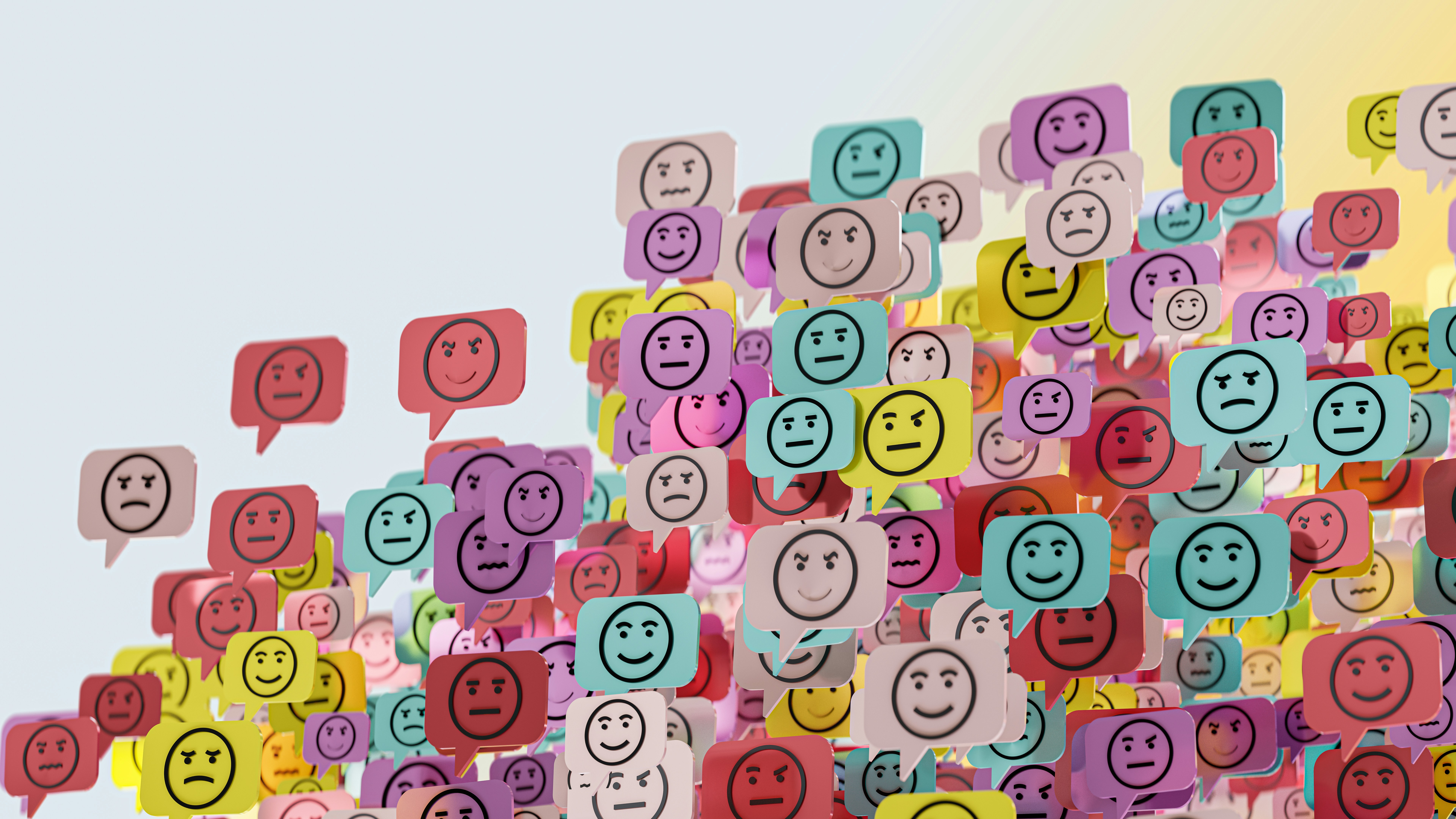
Mental health isn’t a once-a-year convo—World Mental Health Day reminds us it’s daily work. See why this year’s theme hits closer to home than you think.
Read more →
Knowing yourself inside and out—including how others see you—is the real secret to growing, connecting, and living a more authentic, fulfilling life.
Read more →