The Hidden Link Between Alcohol and Mental Health
.avif)
Gaby Catena
December 12, 2025
Tell all of your friends!


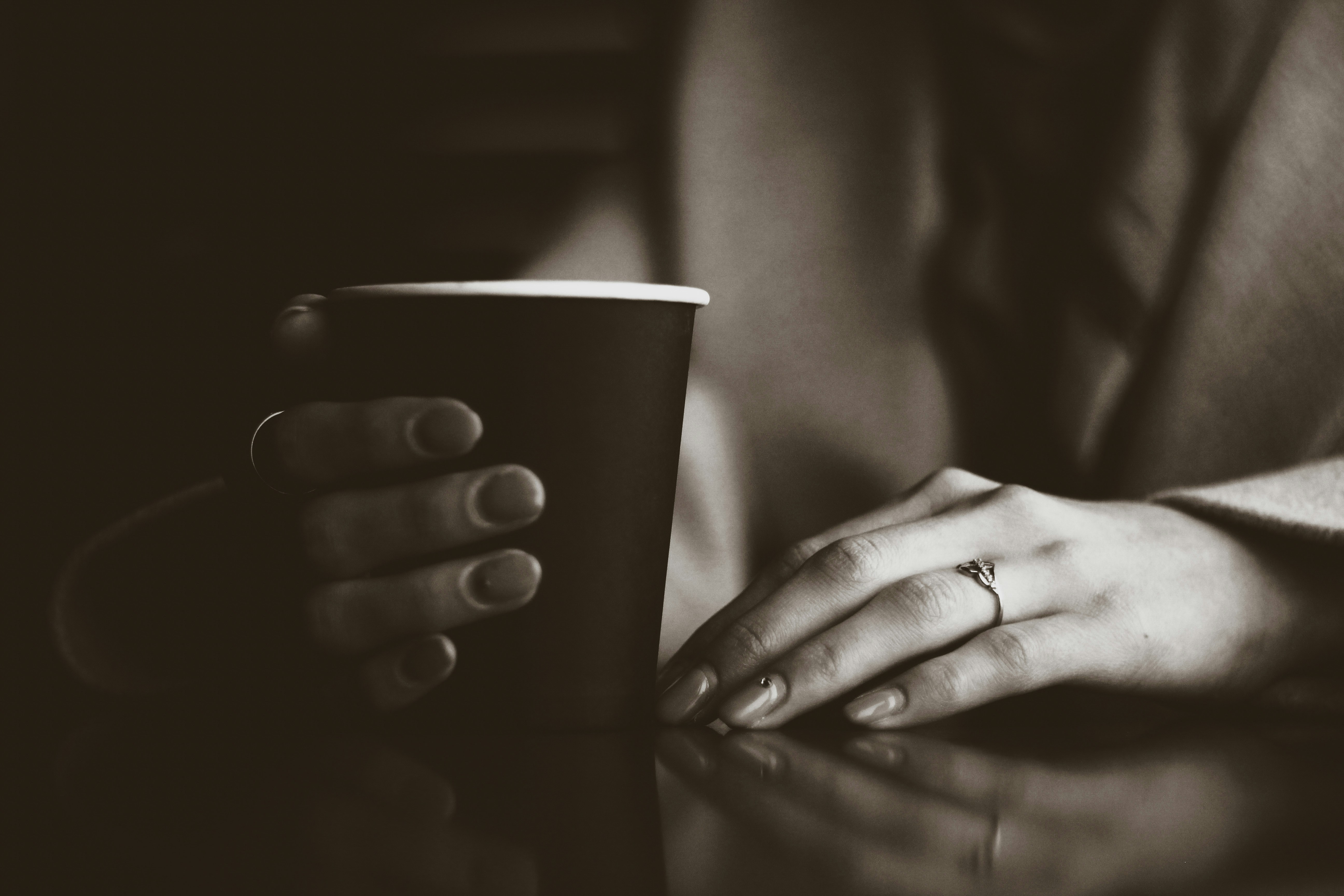
The holiday cheer isn’t the only thing that's flowing this season. Between holiday parties, family gatherings, end-of-year stress, and the pressure to stay cheerful, alcohol often plays a bigger role in our routines this time of year.
Maybe you have noticed that your anxiety is heightened the morning after a glass of wine, or your mood dips after a weekend of celebrations. Maybe your depression feels harder to manage when you are drinking, or you are noticing that a loved one is having a difficult time because of their drinking.
Alcohol and mental health often intersect, though not always in the ways we expect. Because drinking is woven into our social rituals and coping habits, it is easy to overlook the subtle ways it shapes how we feel, until something starts to feel off. Even small amounts can influence your mood, disrupt your sleep, and affect how your body handles stress. And during the holiday season, those effects can become even more pronounced.
How Alcohol Can Affect Your Mental Health
Whether it is one drink to unwind after work or a few to ease social anxiety, alcohol often slips into daily routines without us noticing. Here is what happens when alcohol and mental health collide.
Alcohol and Anxiety
Alcohol slows brain activity, lowers inhibitions, and can create a temporary sense of confidence or relaxation. But when the effects wear off, anxiety can rebound twofold. According to the American Addiction Center, this is sometimes called “hangxiety” - a surge of anxious feelings the day after drinking. After alcohol leaves your system, excitatory neurotransmitters like glutamate can increase during withdrawal, which may trigger anxiety. Research shows that alcohol misuse can worsen anxiety symptoms over time and create a cycle where people drink to relieve anxiety but end up feeling more anxious later.
Alcohol and Depression
Many people find themselves reaching for a drink when they feel low. It can temporarily numb heavy emotions or quiet negative thoughts, but the relief is short-lived, and alcohol often deepens depressive symptoms over time. According to the National Institute of Health, heavy or frequent drinking affects serotonin and dopamine, two neurotransmitters essential for mood stability and motivation. When these systems are disrupted, mood swings, emotional numbness, and low motivation can worsen. Alcohol may also interfere with antidepressant medication or make healthy routines harder to maintain.
More Severe Risks: Psychosis, Suicide, and Self-Harm
Alcohol can contribute to more serious mental health events. An article published in the JAMA Network, alcohol-induced psychosis can appear in severe withdrawal or extreme binge drinking and may involve hallucinations or paranoia. Alcohol use is linked to a higher risk of self-harm and suicide because it lowers inhibitions, increases impulsivity, and interferes with good judgment in moments of distress. These risks are not mentioned to create fear but to emphasize how significant the relationship between alcohol and mental health can be.
What Research Shows
Harmful alcohol use is associated with anxiety, depression, self-harm, and suicide. Long-term studies show a strong relationship between drinking and mental health conditions, though the direction of cause and effect is complex. An article published in the National Library of Medicine states that people with alcohol use disorders have much higher rates of co-occurring depression and anxiety compared with the general population.
6 Tips to Support Your Mental Health When Drinking
Whether you drink weekly, monthly, or only on special occasions, there are simple ways to protect your mental well-being while alcohol is part of your life.
Tune in before you drink
Take a moment to check in with yourself. Ask yourself, What do I want this drink to do for me? Am I calm or stressed? A quick pause can shift your choices.
Eat before, during, and after
Food slows alcohol absorption and helps prevent mood dips. Aim for protein and healthy fats, choose lighter snacks while out, and go for something nourishing when you get home.
Pace yourself and hydrate
Drink slowly and alternate each alcoholic drink with water. Be sure to rehydrate the next morning to support recovery.
Don’t drink just to fit in
You never owe anyone an explanation for choosing not to drink. Social pressure to drink can increase anxiety both during and after events. If people pressure you, it may be a sign to set firmer boundaries.
Build in recovery time
If you’ll be drinking more than usual, prep for the next day: keep the morning open, set out comfy clothes, and have nourishing food ready.
Tune in emotionally
Pay attention before, during, and after you drink. Do you feel better or just different? Is the short-term relief worth the consequences?
What to Do If You Are Worried About Your Drinking
If you are starting to wonder whether alcohol is helping or harming you, that is worth paying attention to. Many people fall into a middle space where drinking is not out of control, but it also doesn’t feel good, and noticing that shift is an important first step.
Signs Worth Paying Attention To
Feeling anxious, sad, or “off” after drinking
Using alcohol to cope with stress or emotional pain
Difficulty cutting back, even with intention
Relying on alcohol to unwind or socialize
Hiding how much you drink or feeling guilty afterward
Seek Support
Reach out to a therapist, coach, trusted friend, or online community if you feel that you need extra support. If alcohol is making you feel unsafe, seek immediate help, especially if you’re experiencing thoughts of self-harm or suicide, feeling unable to stop, or noticing withdrawal symptoms like shaking or sweating. In the United States, you can call or text 988 for immediate support; if you are elsewhere, look up your local mental health helpline.
Moderation is Key
A lot of people enjoy alcohol in moderation without any major issues—it can be part of how we relax or connect with others. Still, its effects on mood, sleep, energy, and emotional coping are often missed. If you're dealing with anxiety, low moods, or just feeling off, it’s a good question to ask: Is alcohol helping me feel better, or quietly getting in the way?

Seasonal Affective Disorder (SAD) causes mood shifts in fall and winter. Boost your mood with exercise, light therapy, cozy spaces, and a steady sleep routine.
Read more →
Election season stress is common. Manage it by limiting news, practicing mindfulness, seeking support, and focusing on positive actions like voting or volunteering.
Read more →