From Thanks to Thriving: Gratitude’s Impact on Your Brain
.avif)
Gaby Catena
November 14, 2025
Tell all of your friends!


.jpg)
Gratitude is one of the simplest yet most powerful practices we can cultivate. Gratitude is about consciously shifting your attention to the good things in your life, choosing to appreciate what you have rather than focusing on what's missing or lacking. Modern neuroscience reveals that gratitude can physically reshape our brains, influence our hormones, and enhance our overall well-being.
The Surprising Science of Being Grateful
The brain is incredibly flexible, constantly reshaping itself in response to how we live and what we learn. Neuroplasticity is the brain’s unique ability to reorganize and adapt its structure in response to our experiences and emotions. This means that the choices we make, the things we learn, and the feelings we cultivate, like gratitude, can influence how the brain is wired, helping it grow and change for the better.
When we experience or express gratitude, several key brain regions light up, including the prefrontal cortex, which plays a role in decision-making and emotional regulation, and the anterior cingulate cortex, which is linked to empathy and social connection. This activation does more than simply make us feel good in the moment; over time, it can strengthen our brain’s ability to recognize and savor positivity.
Five Powerful Effects of Gratitude on the Brain
Gratitude’s Impact on Mind and Body
The benefits of gratitude ripple beyond the brain. People who practice gratitude regularly tend to report better sleep, improved immune function, stronger relationships, and even heart-health benefits. Gratitude encourages mindfulness, reduces rumination, and promotes healthier coping strategies when faced with stress or adversity.
It also nurtures self-esteem by reducing the tendency to compare ourselves to others — a crucial benefit in today’s hyper-connected, perfection-driven culture. When we appreciate our own journey, we experience life with greater acceptance and less judgment.
Building a Gratitude Practice That Sticks
Gratitude grows stronger the more we practice it. Simple rituals can help anchor it into daily life:
Over time, these seemingly small acts can transform the brain’s emotional tone, helping us experience deeper joy, connection, and peace.

Living on autopilot means moving through your days automatically, barely present. Discover why it happens and simple ways to feel more here — take a look.
Read more →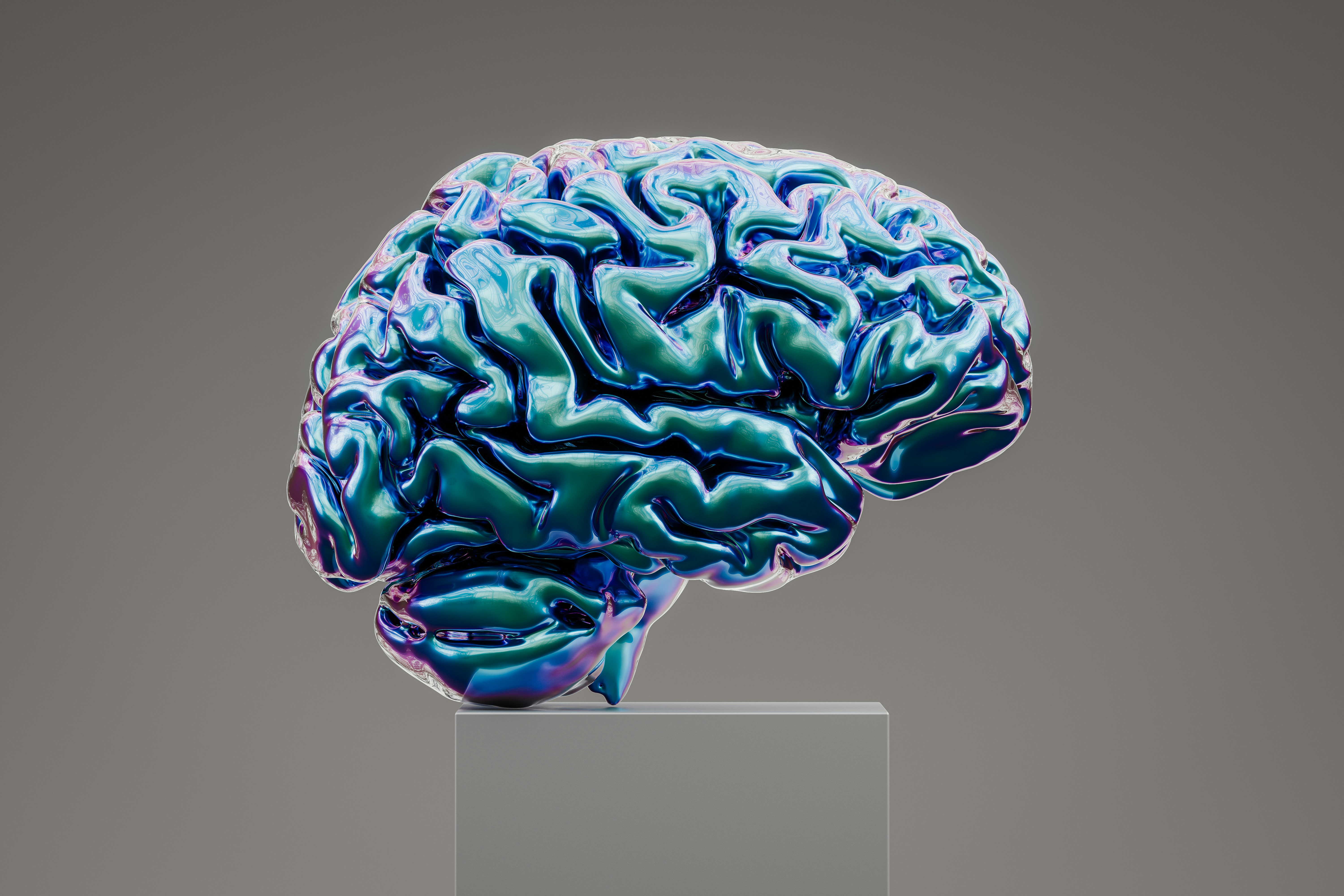
Your brain is built to adapt. Thanks to neuroplasticity, it can rewire itself, build new connections, and strengthen mental skills—at any age, for life.
Read more →